Case study

Lean construction project management with the Onsite platform

COMPANY

GROPYUS

YEAR

2024

CONTRIBUTION

PRODUCT DESIGNER

TARGET

INTERNAL / B2B

SCOPE

PRODUCT DESIGN, UX/UI, RESEARCH

Comprehensive set of tools as a unified platform for digitally planning & managing construction sites, assembly processes, and quality control - acting as a digital twin to your construction projects.
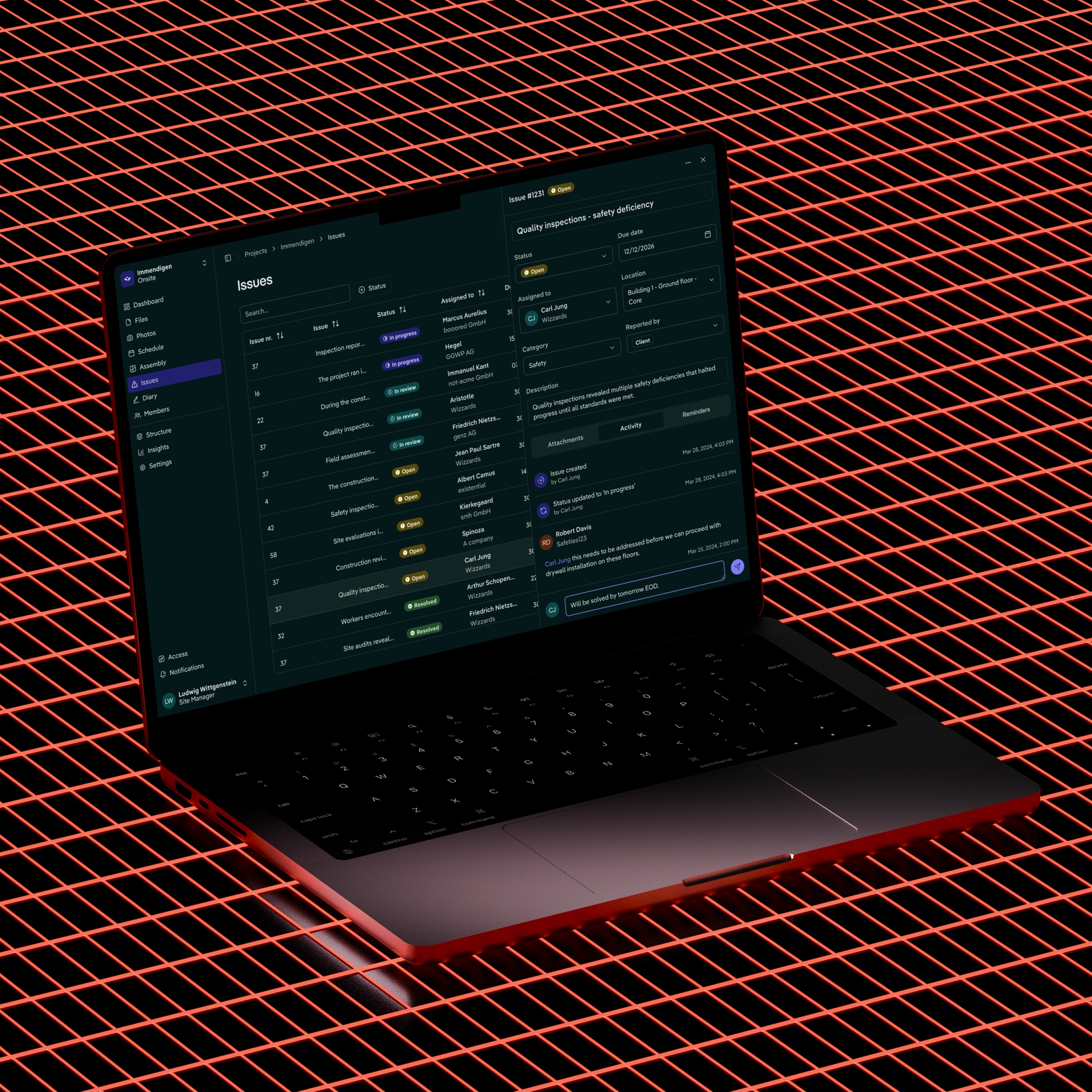
As a sole product designer, I conducted market and user research, aligned design with business requirements and technical feasibility, developed user flows, experience concepts, UX architecture, interaction patterns, delivered UI for the initial set of features.

Impact

Time-to-assemble decreased by 16% with digital twin, assembly tracking and quality control features.

Digital value chain integration provides data for predictive analytics and improves time-to-deliver for future construction projects.

Discovery

Understanding the problem space through initial ideation workshops, market & user research

Users

Project manager – managing multiple construction projects remotely: seeks overview, overlooks construction progress.

Site manager – managing and optimizing the construction on-site: seeks detailed overview in one construction project at the time.

Construction worker – executing tasks and reporting issues: seeks details, executes work onsite.

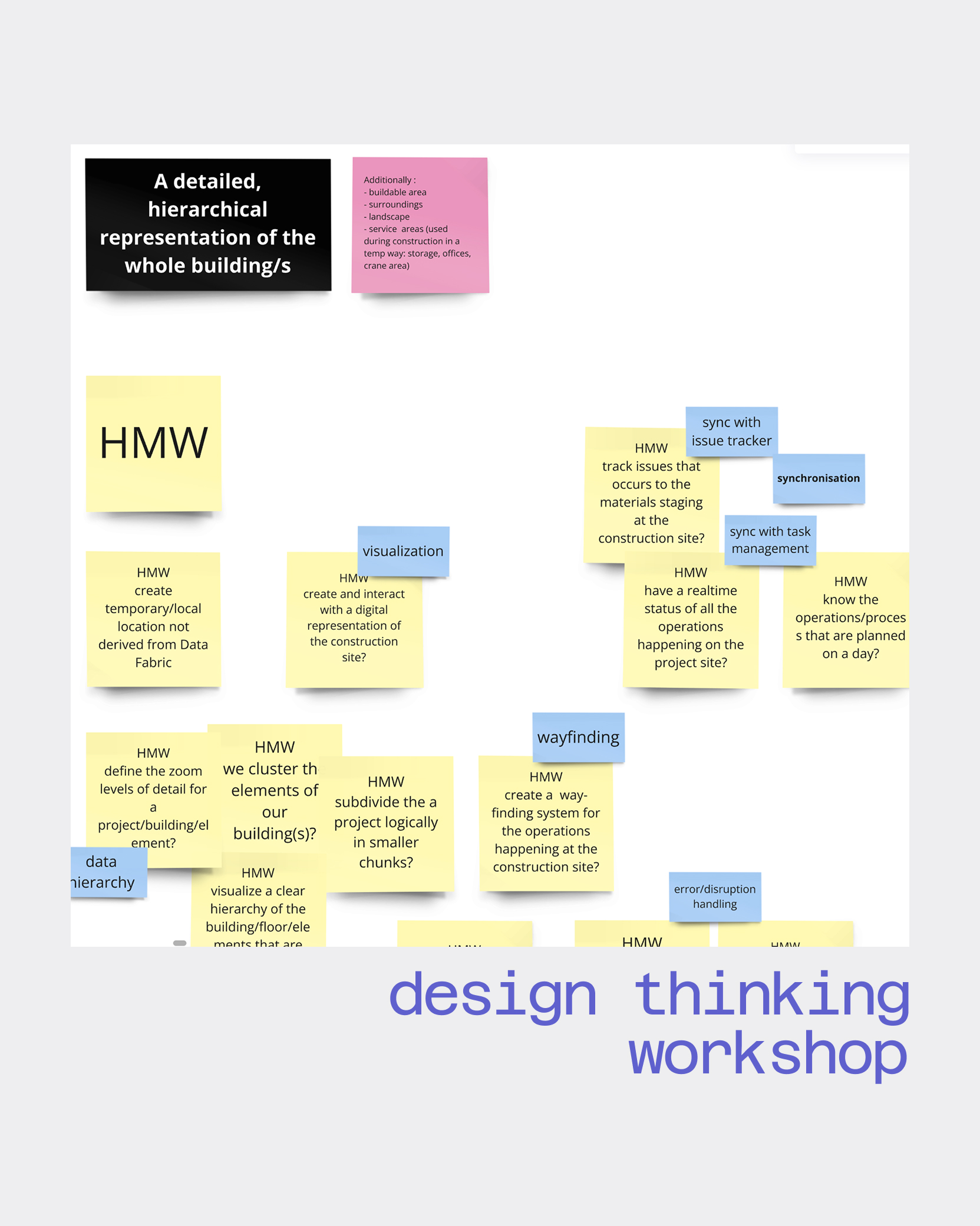
I facilitated an ideation workshop centered around generating problem statements and brainstorming feature ideas, involving product development team and other design colleagues, with the main objective to redirect the existing progress towards a design-driven approach, contributing to product direction and providing necessary foundation for the next stages of the project.

In collaboration with a product manager and user researcher, we conducted market research, perform competitor analysis, carried out user/ stakeholder/ domain expert interviews and concept/ A/B testing.

User research process

1. Initial understanding of users defined under Jobs To Be Done framework.

3. Outlining the process definition of user research methods based on needs.

4. Usually starts with user interviews with users and/ or domain experts.

5. Concept and/ or A/B testing directly with users, involving everything from wireframe screens to clickable Figma prototypes.

6. Research synthesis informs structure/ content/ feature definitions and user flows.

Definition

User research findings inform problem statement definitions, user flows, and information architecture

Overarching problem statement: Construction processes face challenges with lack of integration into digital value chains, dispersed data across various systems, and inefficient communication between stakeholders. These pain points lead to decreased productivity, cost overruns, and project delays.

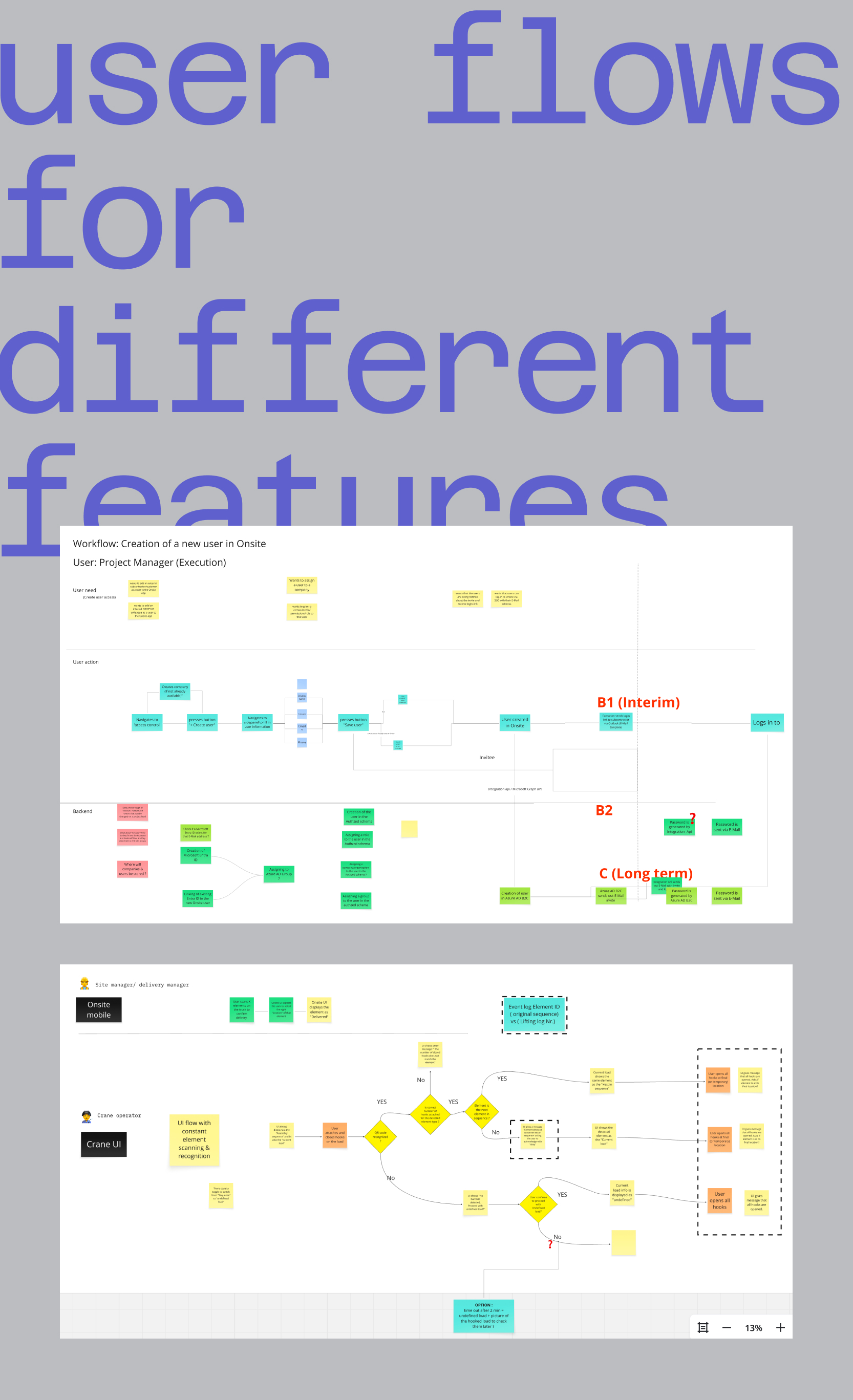
I use research findings to inform user flows for different features - mapping user needs & defining UI/frontend processes.

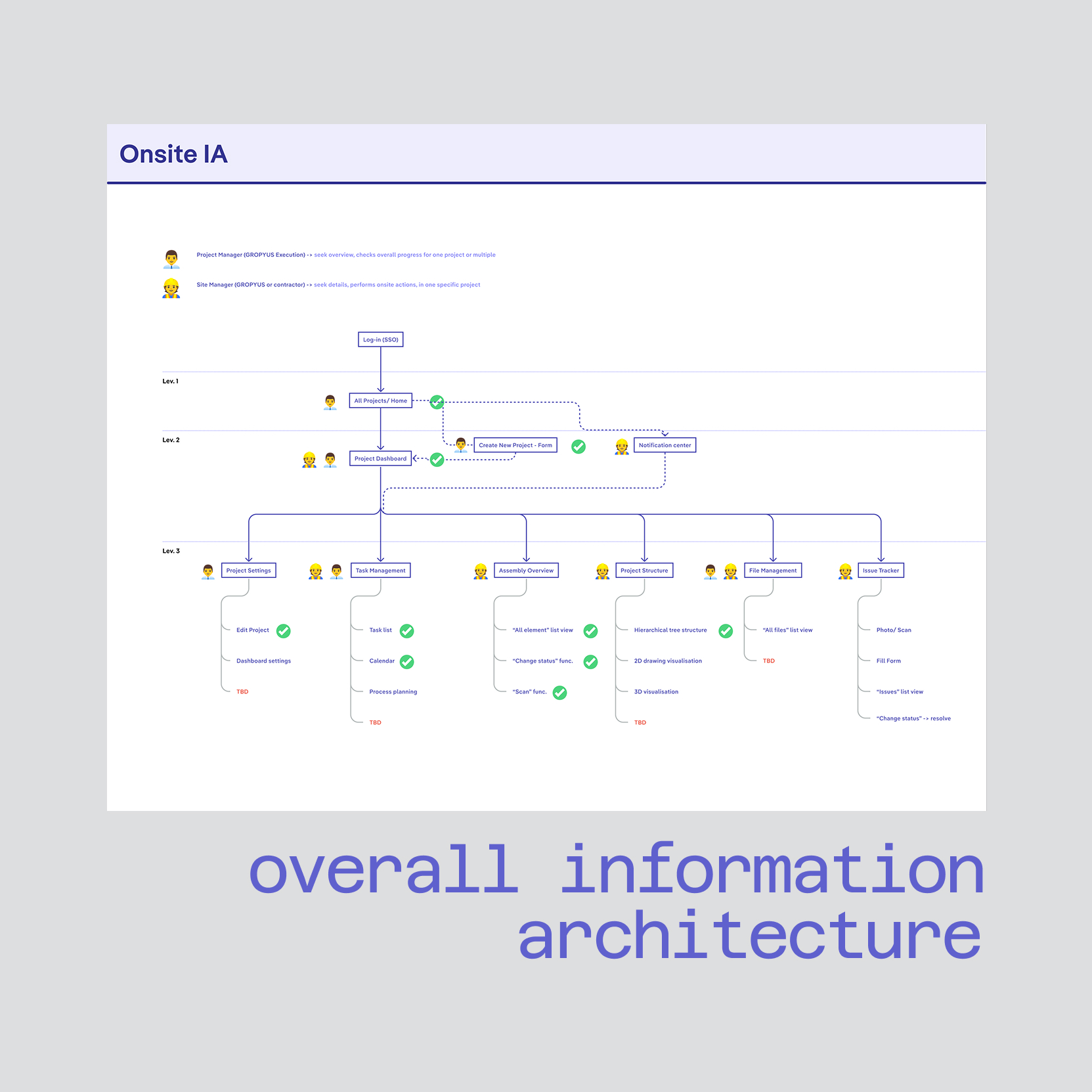
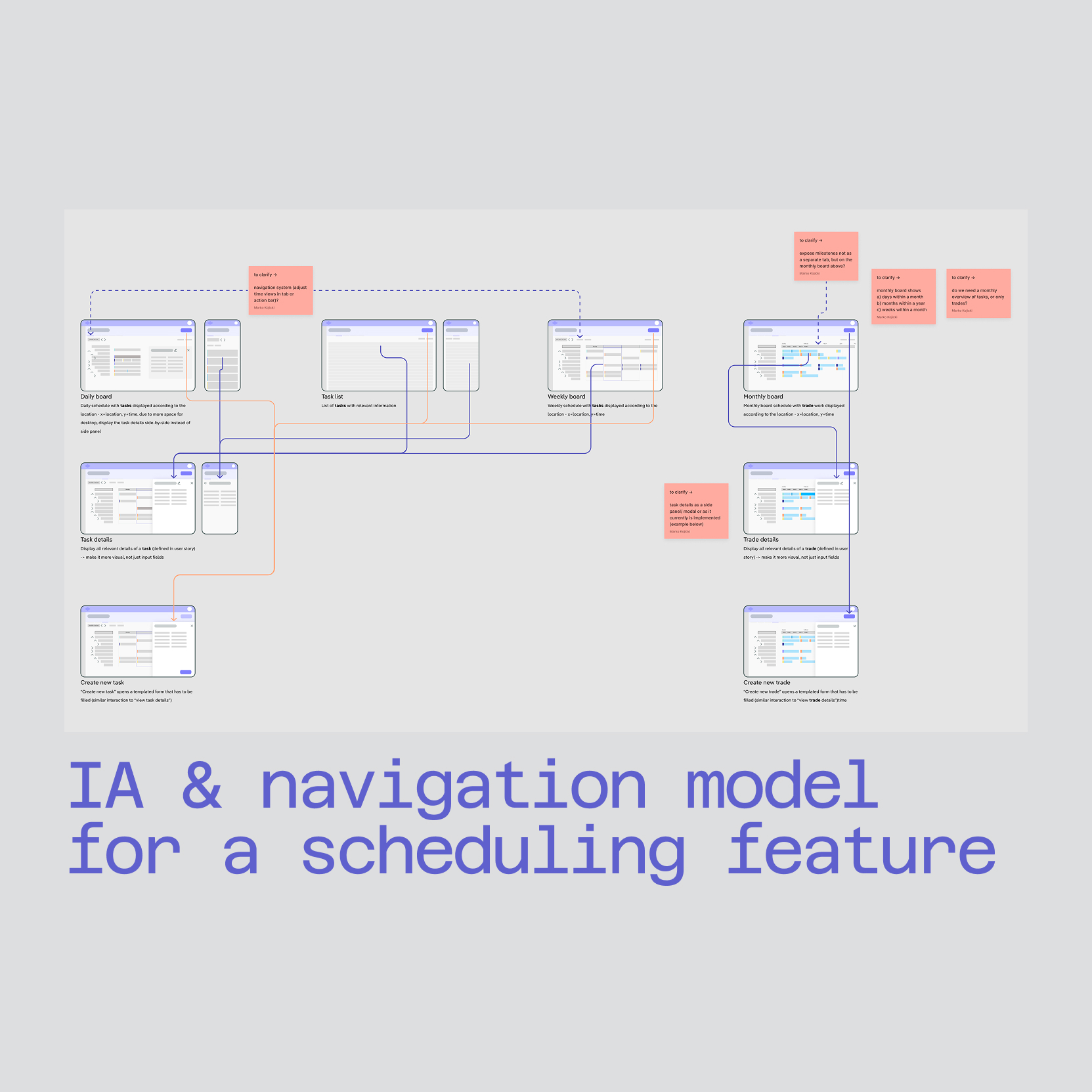
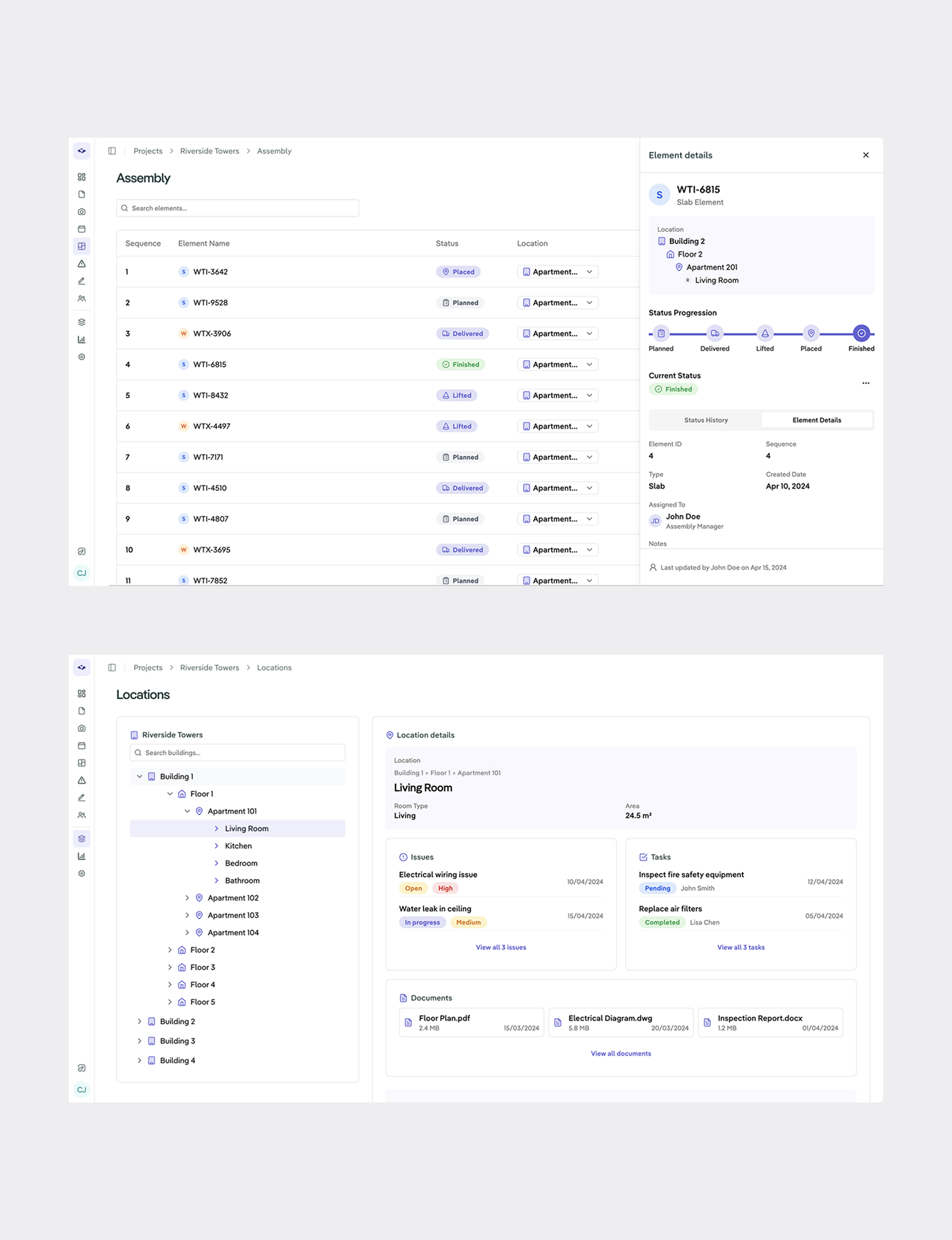
I defined information architecture for both the overall Onsite web app, native apps for assembly controls, and specific features within those platforms. This involved organizing the application's content and functionality in a logical and intuitive way, ensuring users can easily navigate through the platform.

Develop

Initial wireframing & hi-fidelity UI delivered as development handover on sprint-basis

One of my initial tasks was to define layouts, UI, and interaction patterns for the overall product ensuring scalability/ adaptability to facilitate additional features in the future. Furthermore, some features are designed for the mobile use at the construction site, so thinking responsively at all times was crucial.

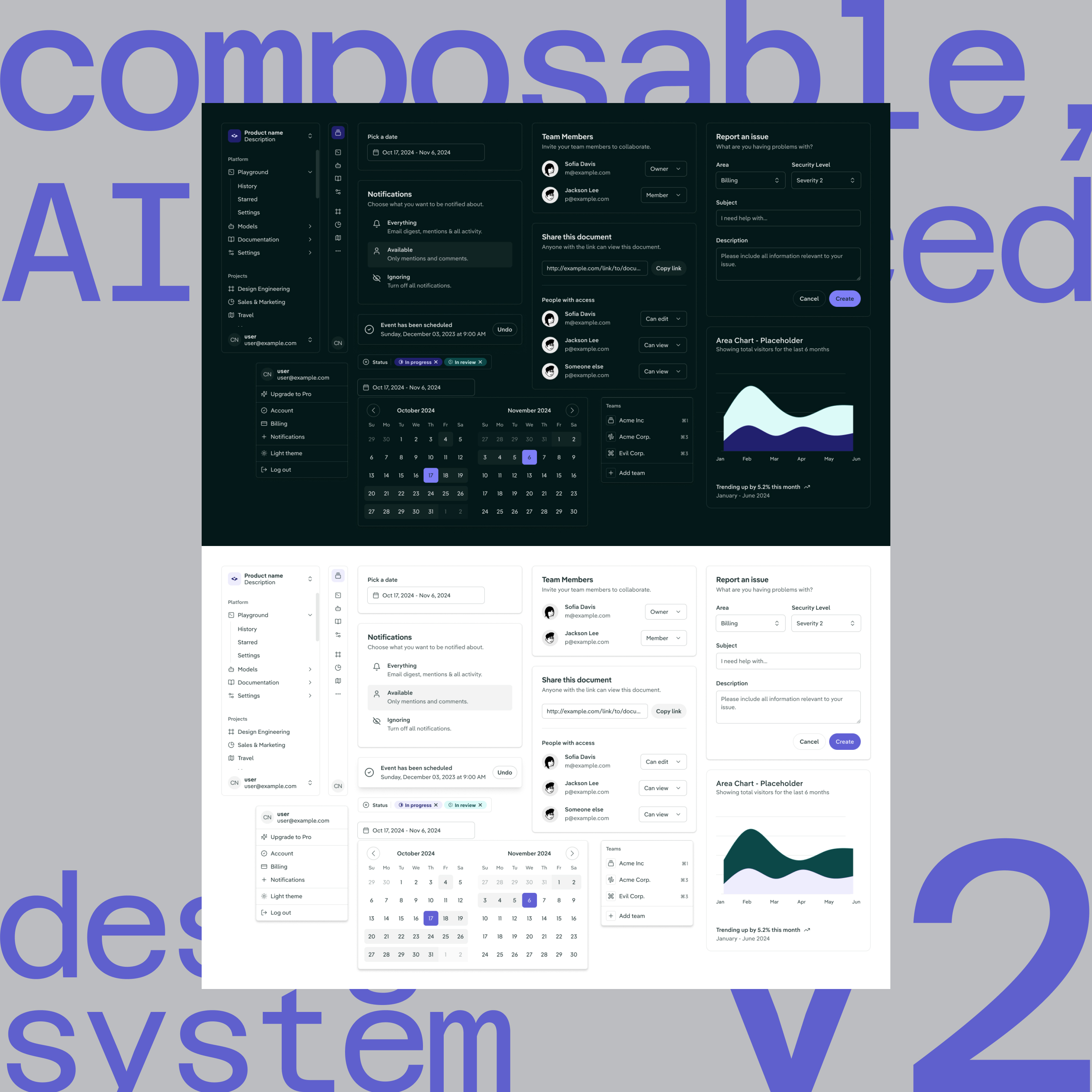
UI was initial delivered based on the first version of a GROPYUS Design System (DLSv1), and later adapted to DLSv2.

Delivery

Product actively used as a supporting mechanism for millions-worth construction projects

We successfully launched an MVP product with multiple features across key topics/ areas, actively used by our internal GROPYUS team responsible for multiple millions-worth construction projects. Based on direct user feedback & organized usability tests, we continiously refine.
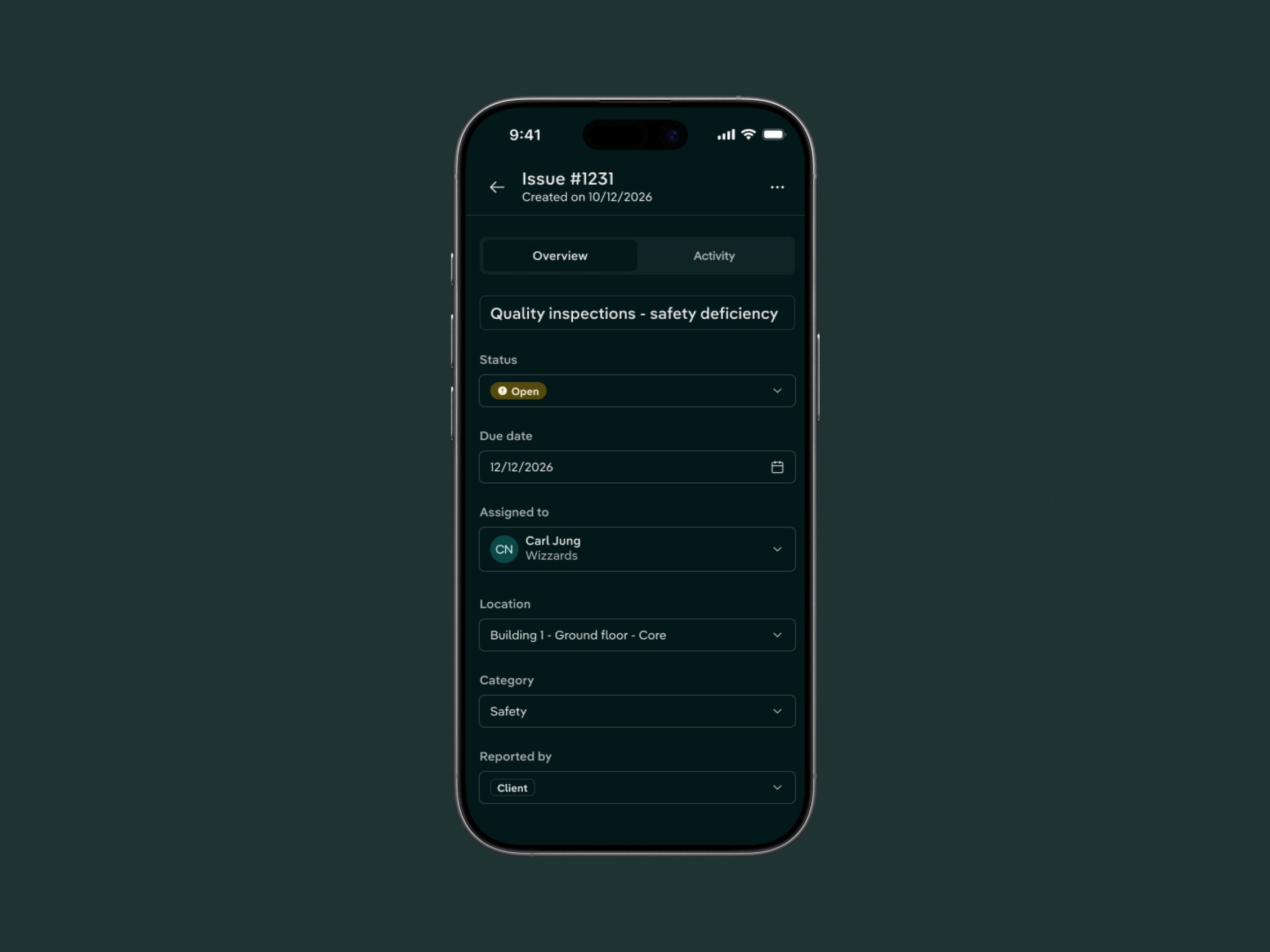
We shipped features across many different areas:

Digital/ Lean construction management

Assembly tracking systems

Scheduling/ project management tools

Building information/ data modeling

Quality control tracking

Case study

Lean construction project management with the Onsite platform

COMPANY

GROPYUS

YEAR

2024

CONTRIBUTION

PRODUCT DESIGNER

TARGET

INTERNAL / B2B

SCOPE

PRODUCT DESIGN, UX/UI, RESEARCH

Comprehensive set of tools as a unified platform for digitally planning & managing construction sites, assembly processes, and quality control - acting as a digital twin to your construction projects.

As a sole product designer, I conducted market and user research, aligned design with business requirements and technical feasibility, developed user flows, experience concepts, UX architecture, interaction patterns, delivered UI for the initial set of features.

Impact

Time-to-assemble decreased by 16% with digital twin, assembly tracking and quality control features.

Digital value chain integration provides data for predictive analytics and improves time-to-deliver for future construction projects.

Discovery

Understanding the problem space through initial ideation workshops, market & user research

Users

Project manager – managing multiple construction projects remotely: seeks overview, overlooks construction progress.

Site manager – managing and optimizing the construction on-site: seeks detailed overview in one construction project at the time.

Construction worker – executing tasks and reporting issues: seeks details, executes work onsite.

I facilitated an ideation workshop centered around generating problem statements and brainstorming feature ideas, involving product development team and other design colleagues, with the main objective to redirect the existing progress towards a design-driven approach, contributing to product direction and providing necessary foundation for the next stages of the project.

In collaboration with a product manager and user researcher, we conducted market research, perform competitor analysis, carried out user/ stakeholder/ domain expert interviews and concept/ A/B testing.

User research process

1. Initial understanding of users defined under Jobs To Be Done framework.

3. Outlining the process definition of user research methods based on needs.

4. Usually starts with user interviews with users and/ or domain experts.

5. Concept and/ or A/B testing directly with users, involving everything from wireframe screens to clickable Figma prototypes.

6. Research synthesis informs structure/ content/ feature definitions and user flows.

Definition

User research findings inform problem statement definitions, user flows, and information architecture

Overarching problem statement: Construction processes face challenges with lack of integration into digital value chains, dispersed data across various systems, and inefficient communication between stakeholders. These pain points lead to decreased productivity, cost overruns, and project delays.

I use research findings to inform user flows for different features - mapping user needs & defining UI/frontend processes.

I defined information architecture for both the overall Onsite web app, native apps for assembly controls, and specific features within those platforms. This involved organizing the application's content and functionality in a logical and intuitive way, ensuring users can easily navigate through the platform.

Develop

Initial wireframing & hi-fidelity UI delivered as development handover on sprint-basis

One of my initial tasks was to define layouts, UI, and interaction patterns for the overall product ensuring scalability/ adaptability to facilitate additional features in the future. Furthermore, some features are designed for the mobile use at the construction site, so thinking responsively at all times was crucial.

UI was initial delivered based on the first version of a GROPYUS Design System (DLSv1), and later adapted to DLSv2.

Delivery

Product actively used as a supporting mechanism for millions-worth construction projects

We successfully launched an MVP product with multiple features across key topics/ areas, actively used by our internal GROPYUS team responsible for multiple millions-worth construction projects. Based on direct user feedback & organized usability tests, we continiously refine.
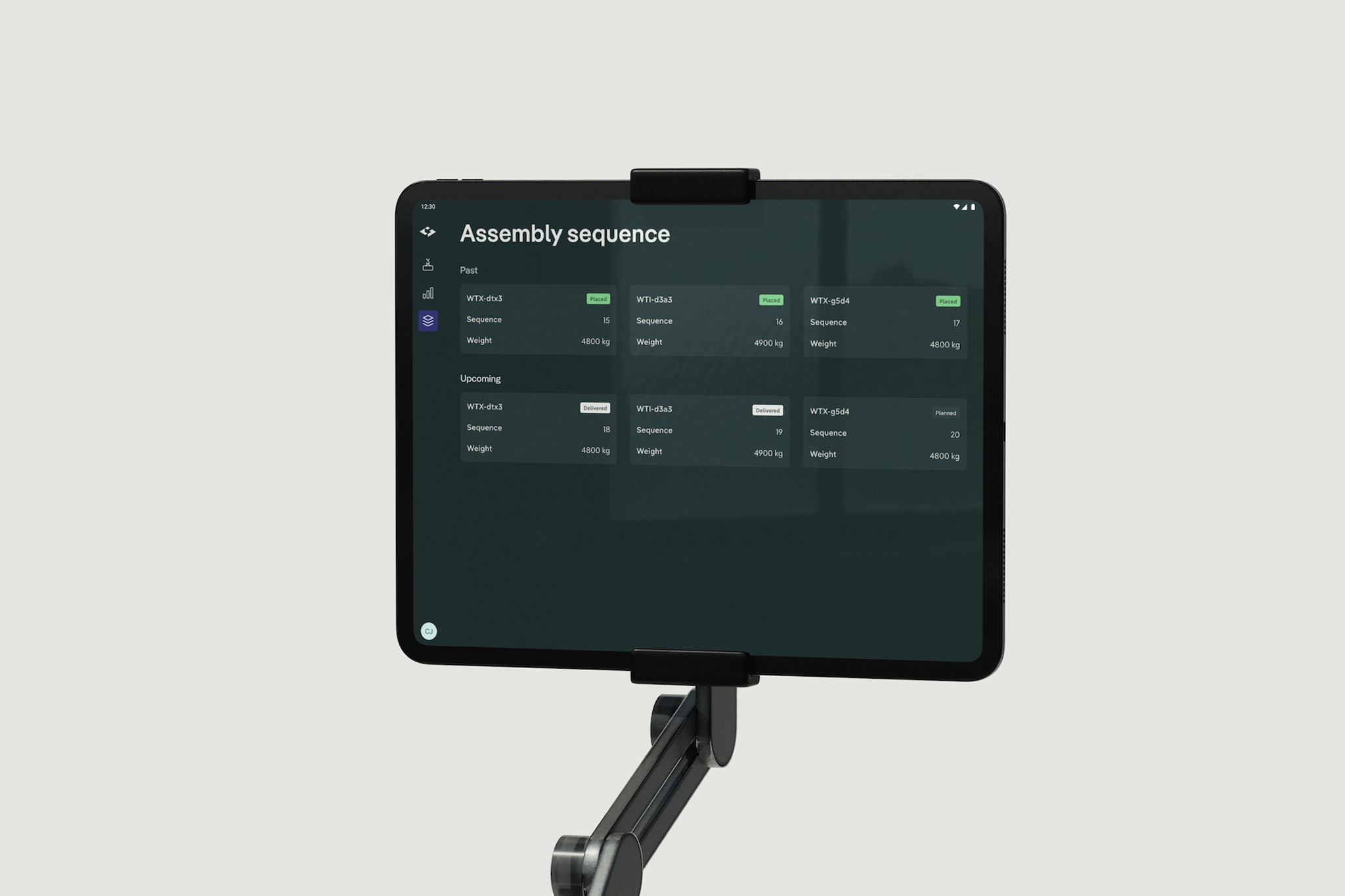
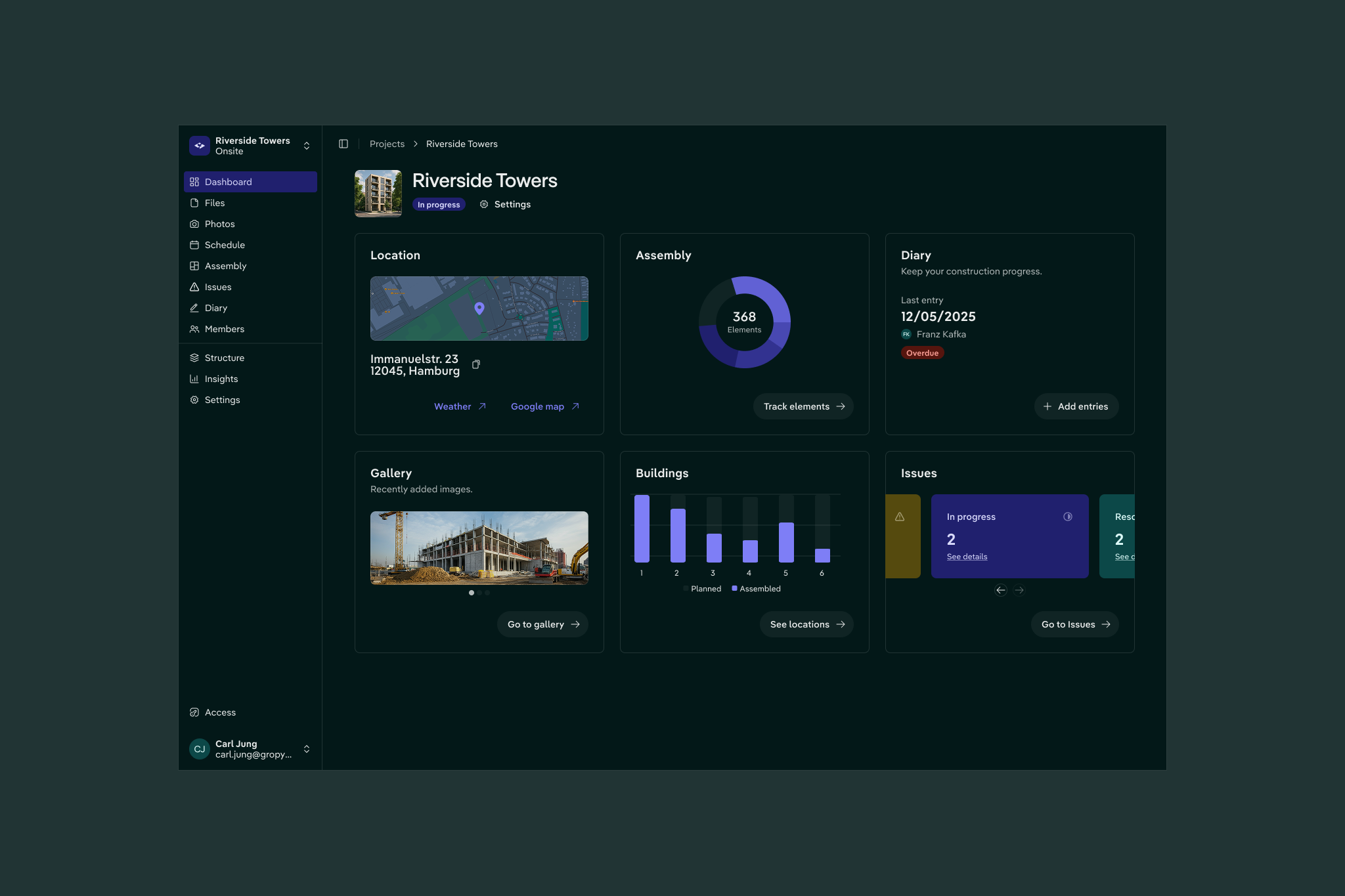
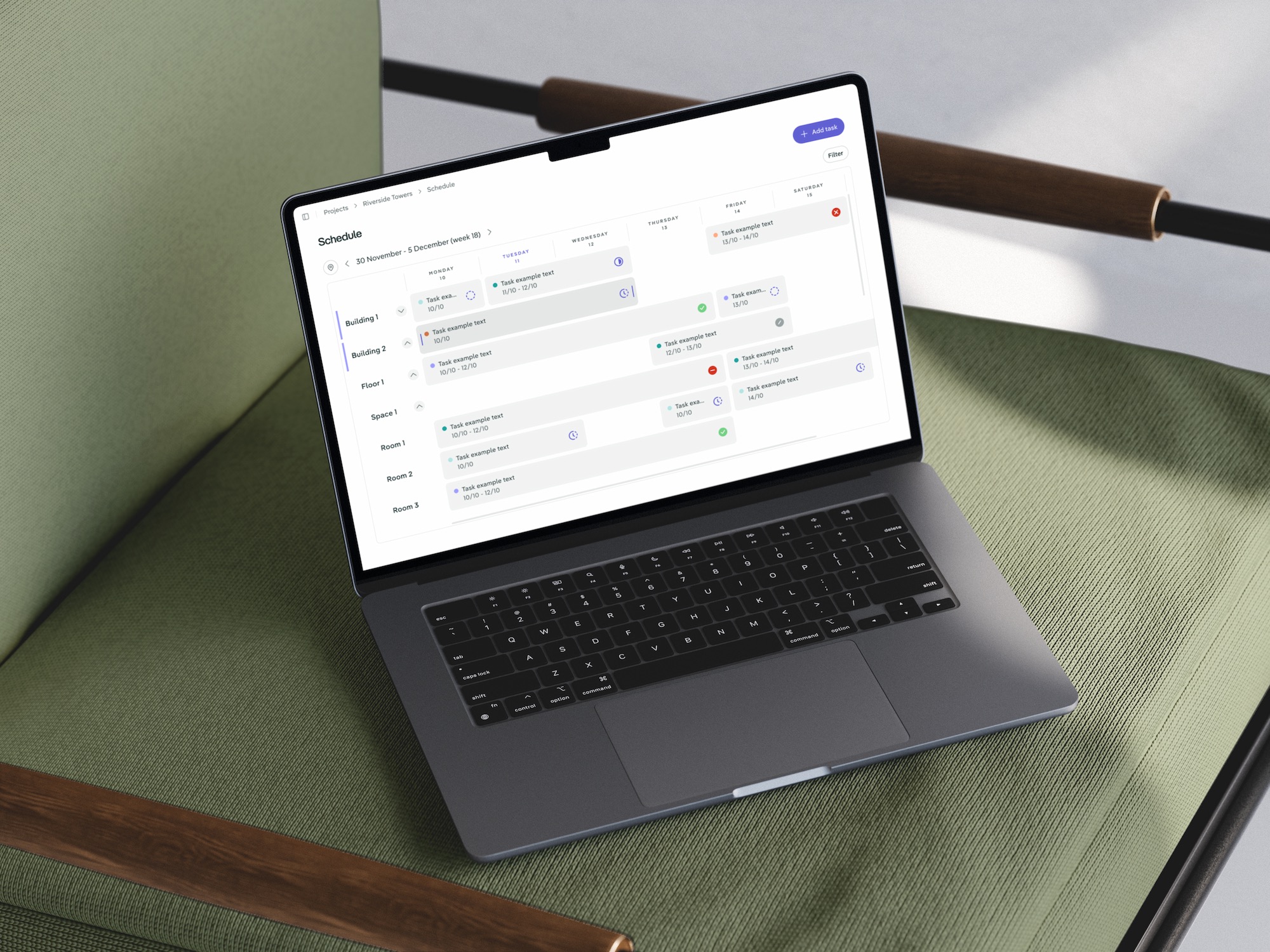
We shipped features across many different areas:

Digital/ Lean construction management

Assembly tracking systems

Scheduling/ project management tools

Building information/ data modeling

Quality control tracking

OTHER WORK